
How Does It Feel
Danny C Boyce – Photographic Artistry

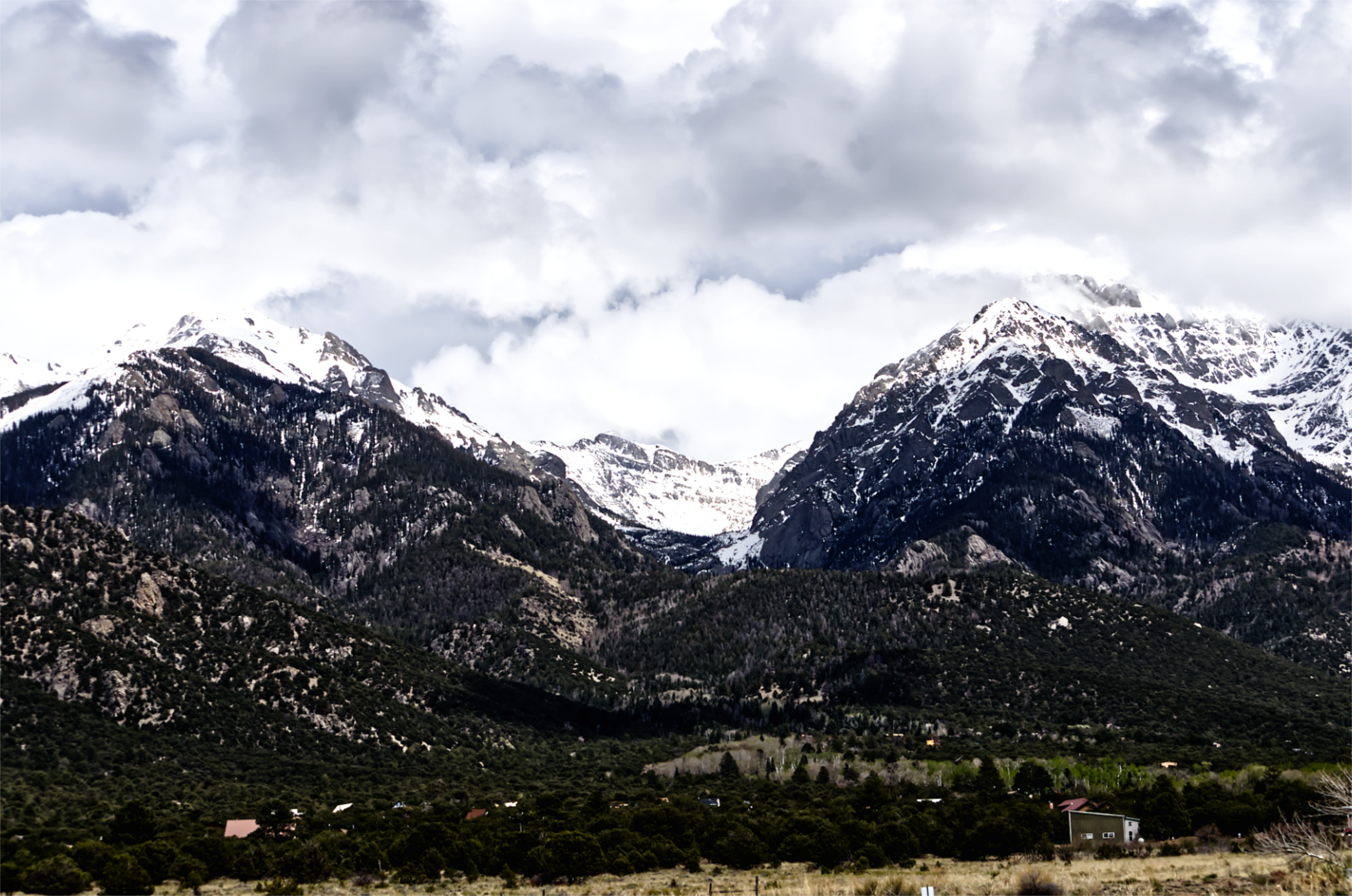

“The single most important component of a camera is the twelve inches behind it!”
– Ansel Adams
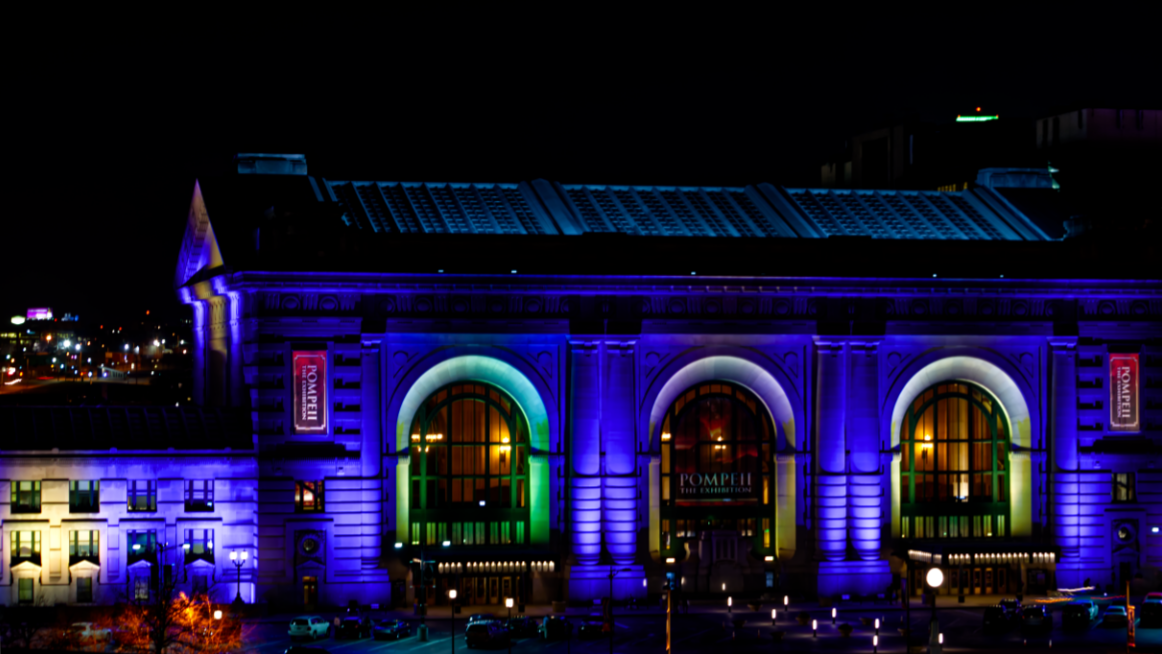
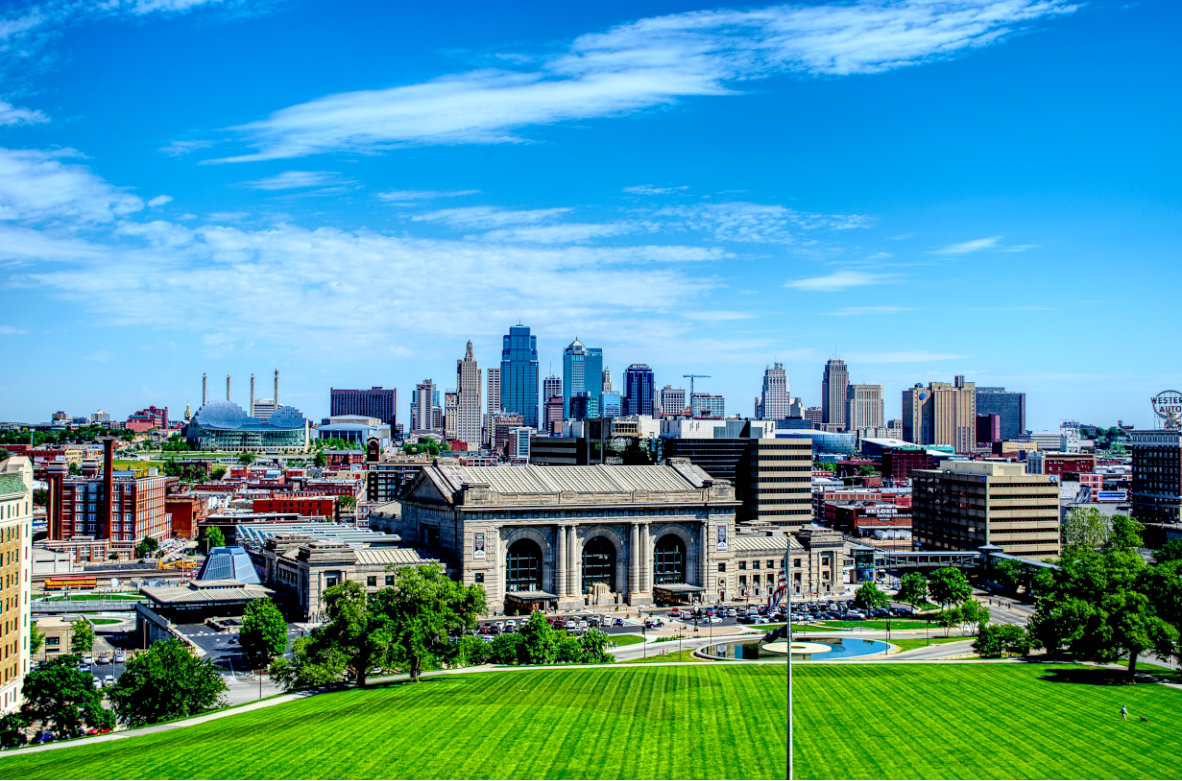
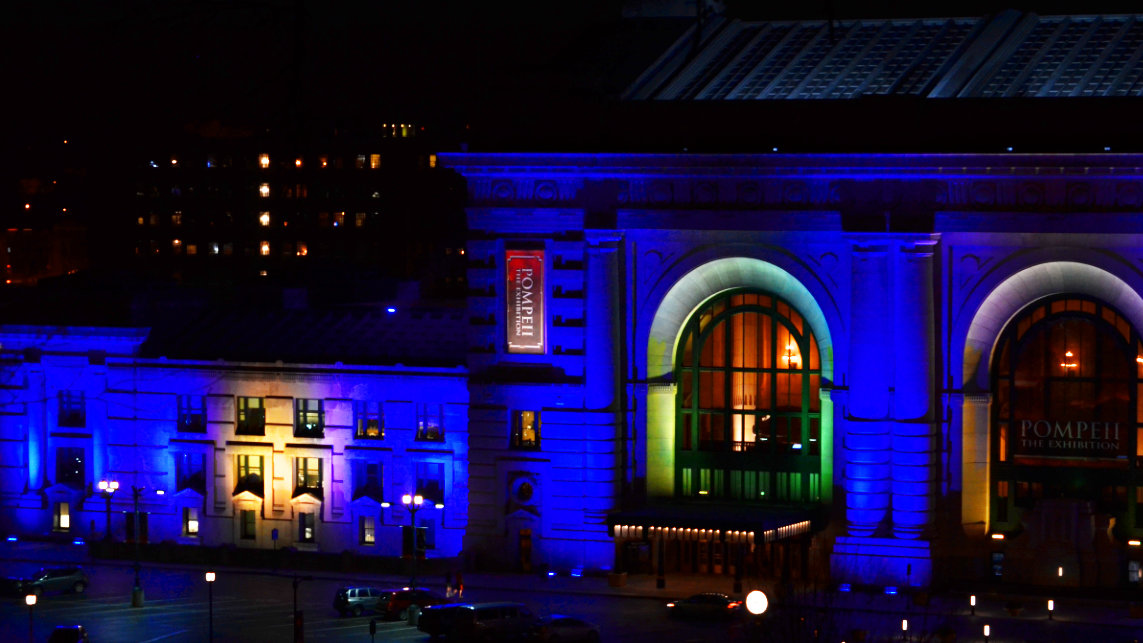
It’s inside the renewed, and repurposed, KC Railway Station
When I release my work into the world, I’m constantly amazed by how differently each viewer interprets and responds to the same image. I’ll create a photograph thinking it conveys one specific message, only to discover through feedback and conversations that recipients see layers of meaning I never intended. This disconnect fascinates me because it reveals how my art becomes a collaborative experience – I provide the visual foundation, but the viewer brings their own experiences, emotions, and cultural background to complete the narrative in their own mind.
I’ve learned that my graphic designs often serve as catalysts for conversations and decisions I never anticipated. A poster I created for a local event might inspire someone to volunteer for the first time, or an infographic I designed about mental health might give someone the courage to seek therapy. What strikes me is how recipients often take my visual work and extend it beyond its original purpose, using it as a springboard for personal growth or community action that far exceeds my initial intentions.
The most rewarding aspect of my practice is witnessing the delayed impact my work has on people’s lives. Recipients will reach out months or even years later to tell me how a particular image influenced a major life decision or helped them through a difficult period. These responses teach me that as an artist, I’m not just creating visual content – I’m contributing fragments to people’s personal narratives, providing them with visual tools they can return to when they need inspiration, comfort, or courage to see their world from a new angle.