Danny C Boyce – Photographic Artistry
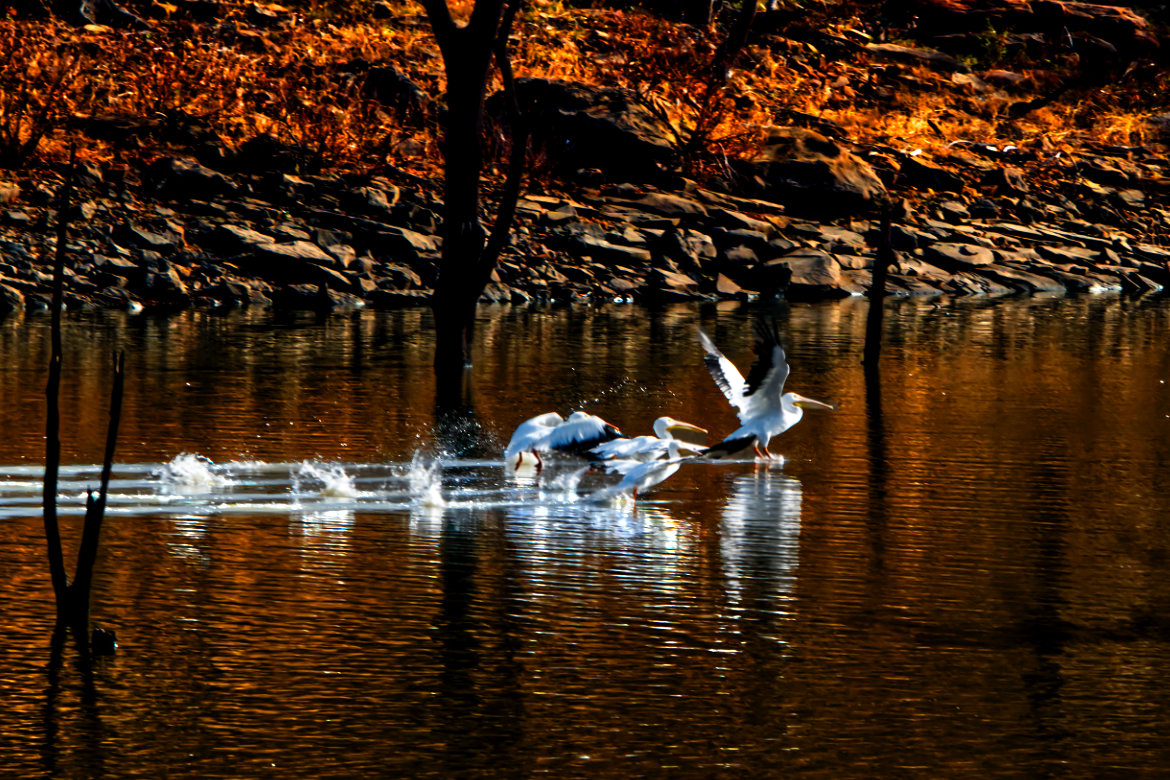
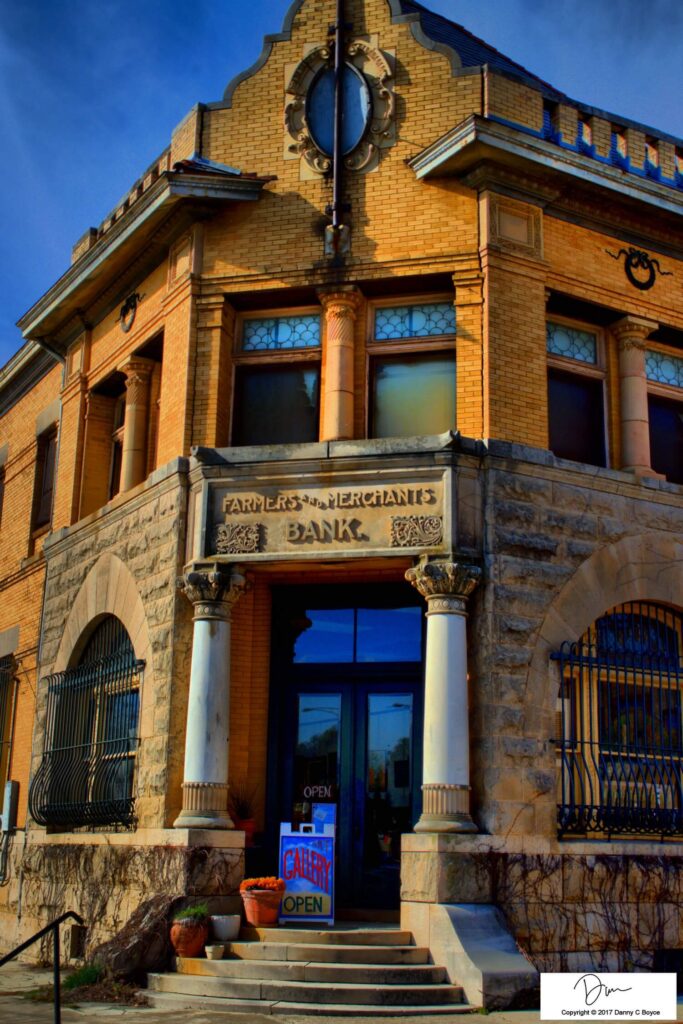
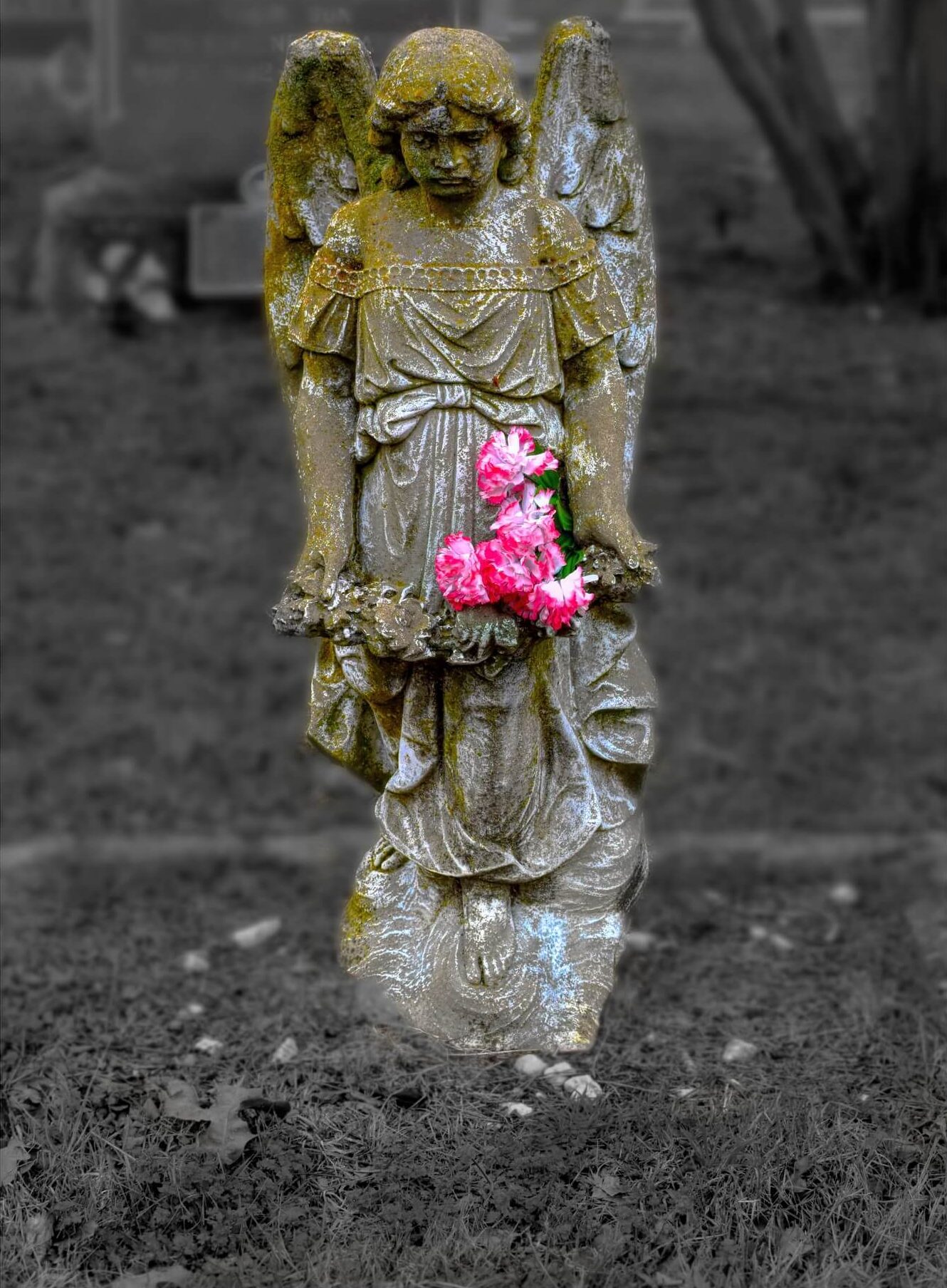
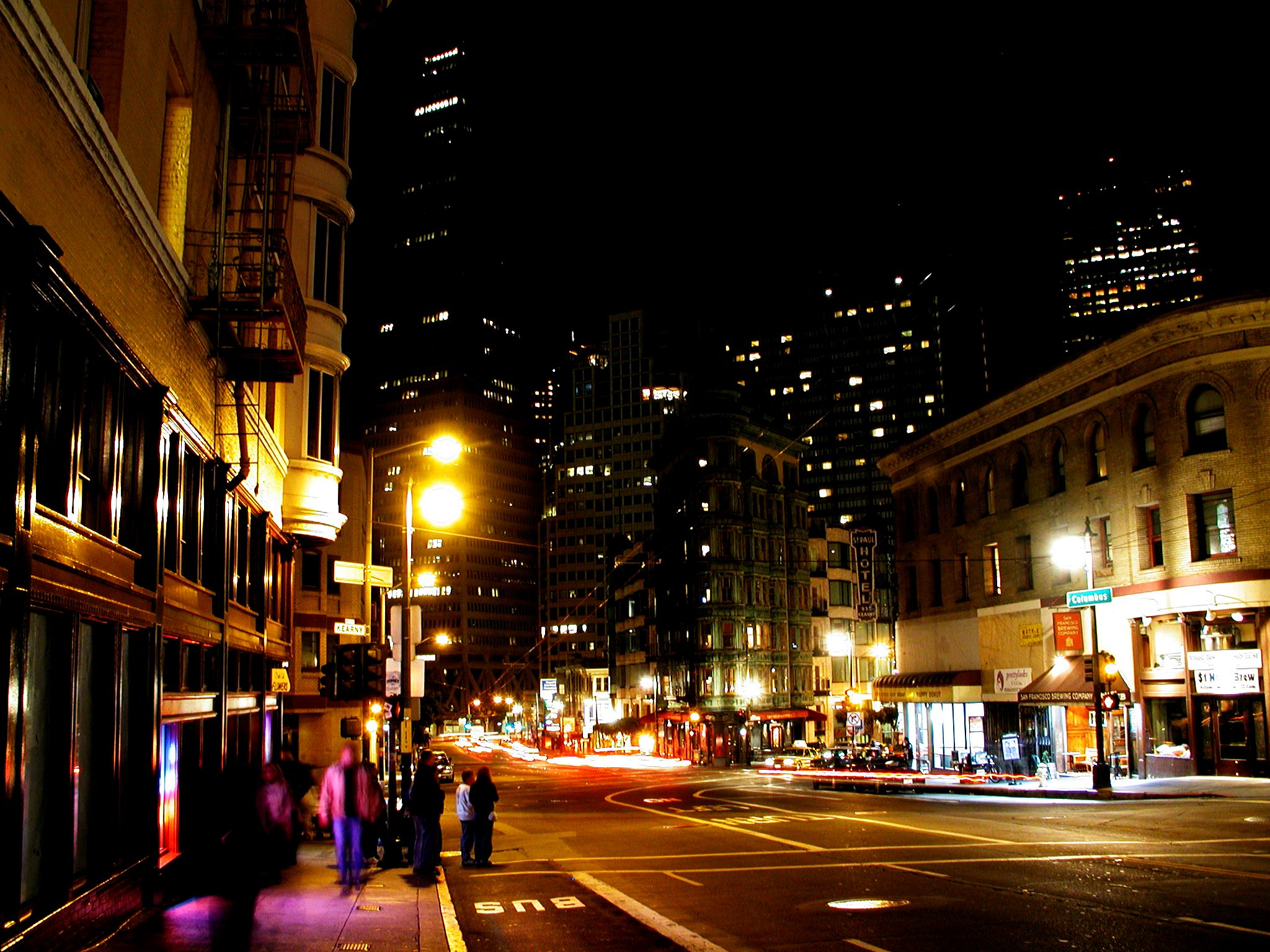
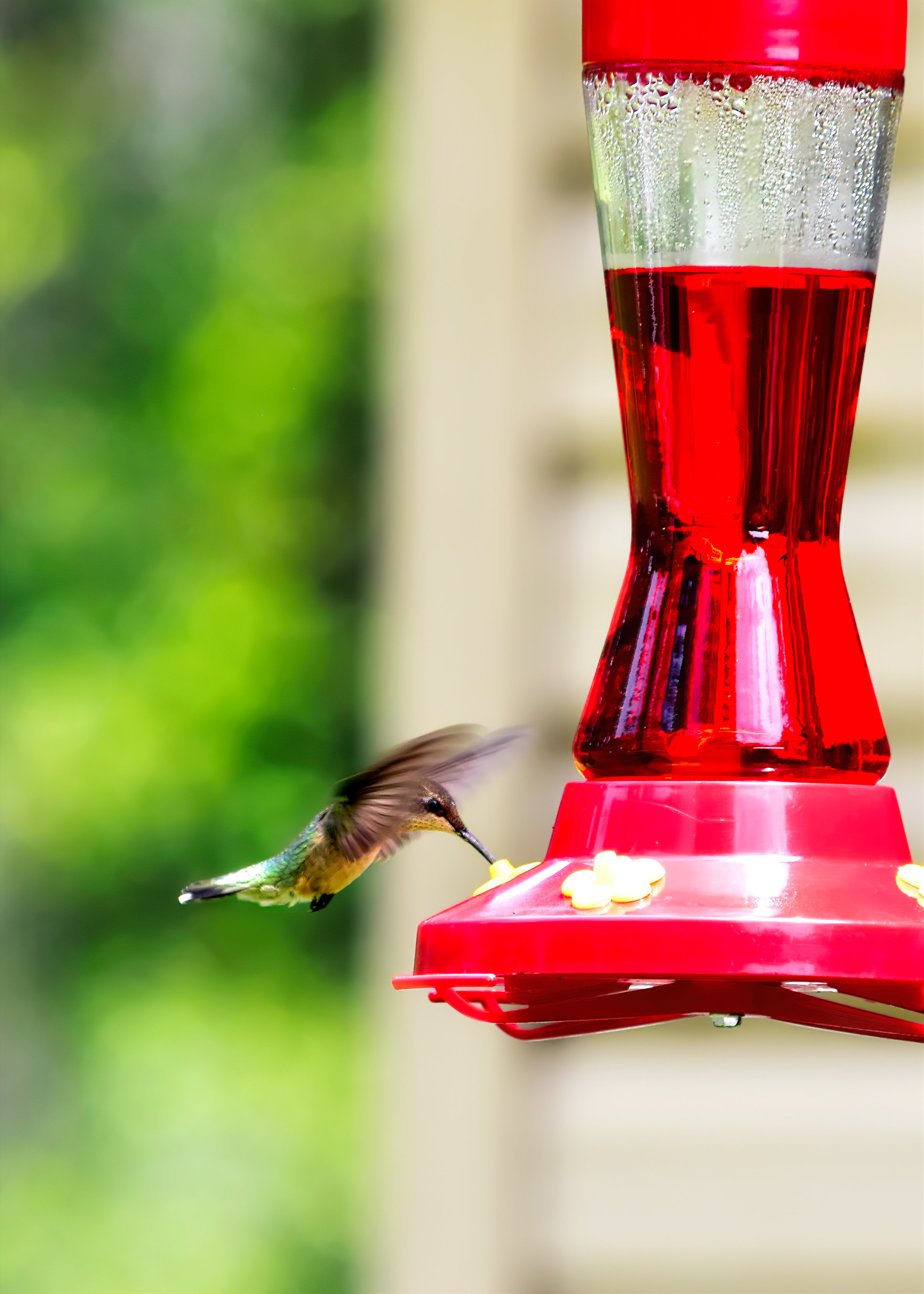
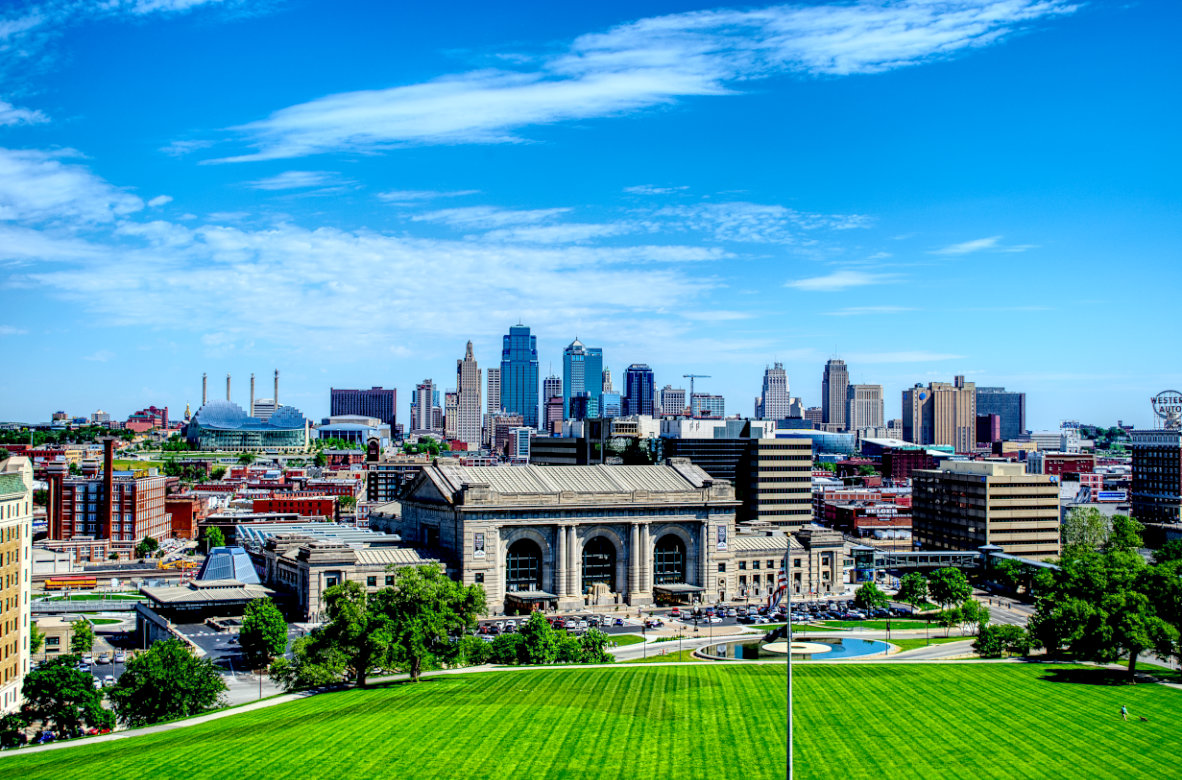

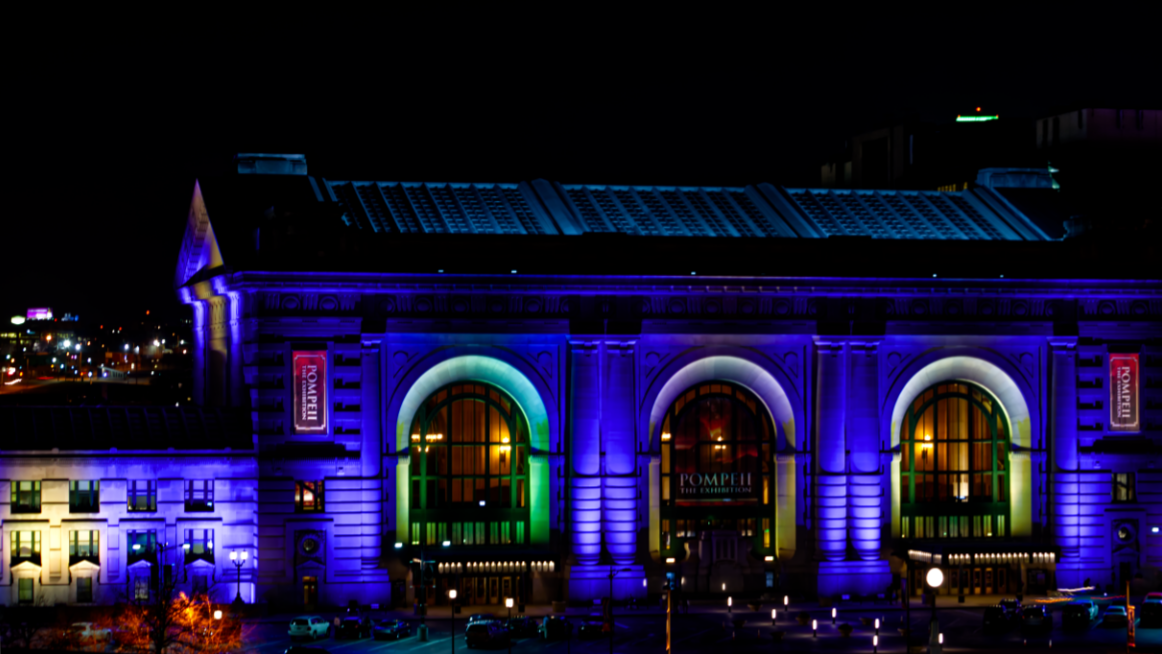
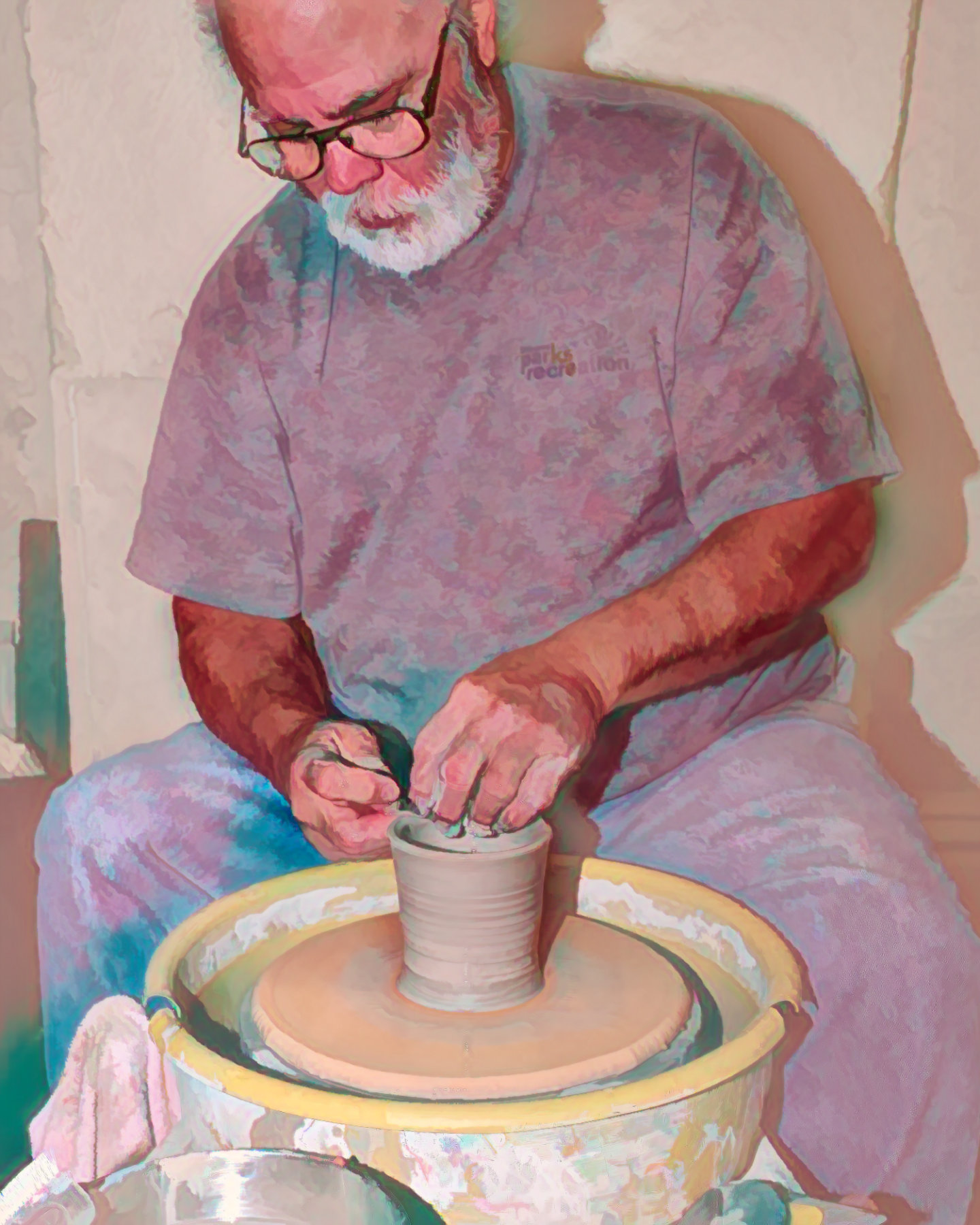
As a photographer, I’ve witnessed firsthand how a single image can shift entire conversations and perspectives. When I capture moments of human vulnerability or resilience, I see viewers stop in their tracks, their assumptions challenged by what’s directly in front of them. There’s something profound about freezing a moment in time that allows people to truly see what they might have otherwise overlooked, whether it’s the dignity in a homeless person’s eyes or the joy radiating from a child in an underserved community.
Through my work in graphic design, I’ve learned that visual communication can break through barriers that words alone cannot penetrate. When I create infographics about complex social issues or design campaigns aimed at nonprofits, I watch as audiences who might tune out lengthy articles suddenly engage with the same information presented visually. I’ve seen my designs help people understand climate data, navigate health resources, and connect with causes they previously felt disconnected from, proving that the right visual approach can make abstract problems feel personal and actionable.
What strikes me most about working in visual arts is the ripple effect of the work we create. I’ve had strangers reach out to tell me how a photograph I took years ago influenced their career choice, or how a poster design helped them find resources during a difficult time. As visual creators, we’re not just making pretty pictures – we’re crafting tools that help people process their world, connect with others, and sometimes find the courage to change their own lives or their communities.