Danny C Boyce – Photographic Artistry

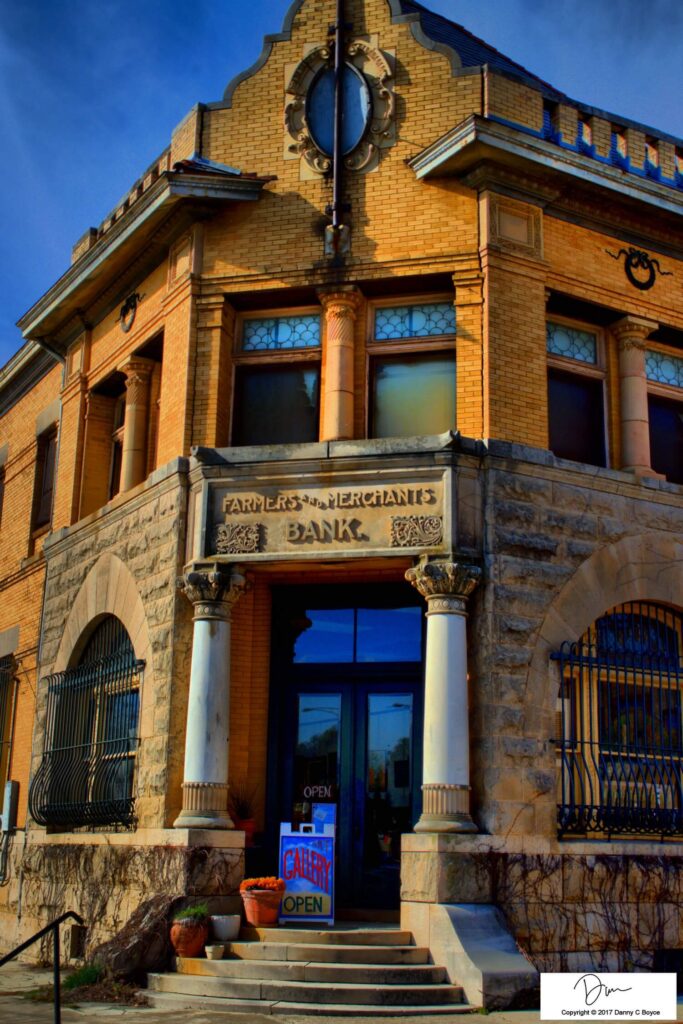
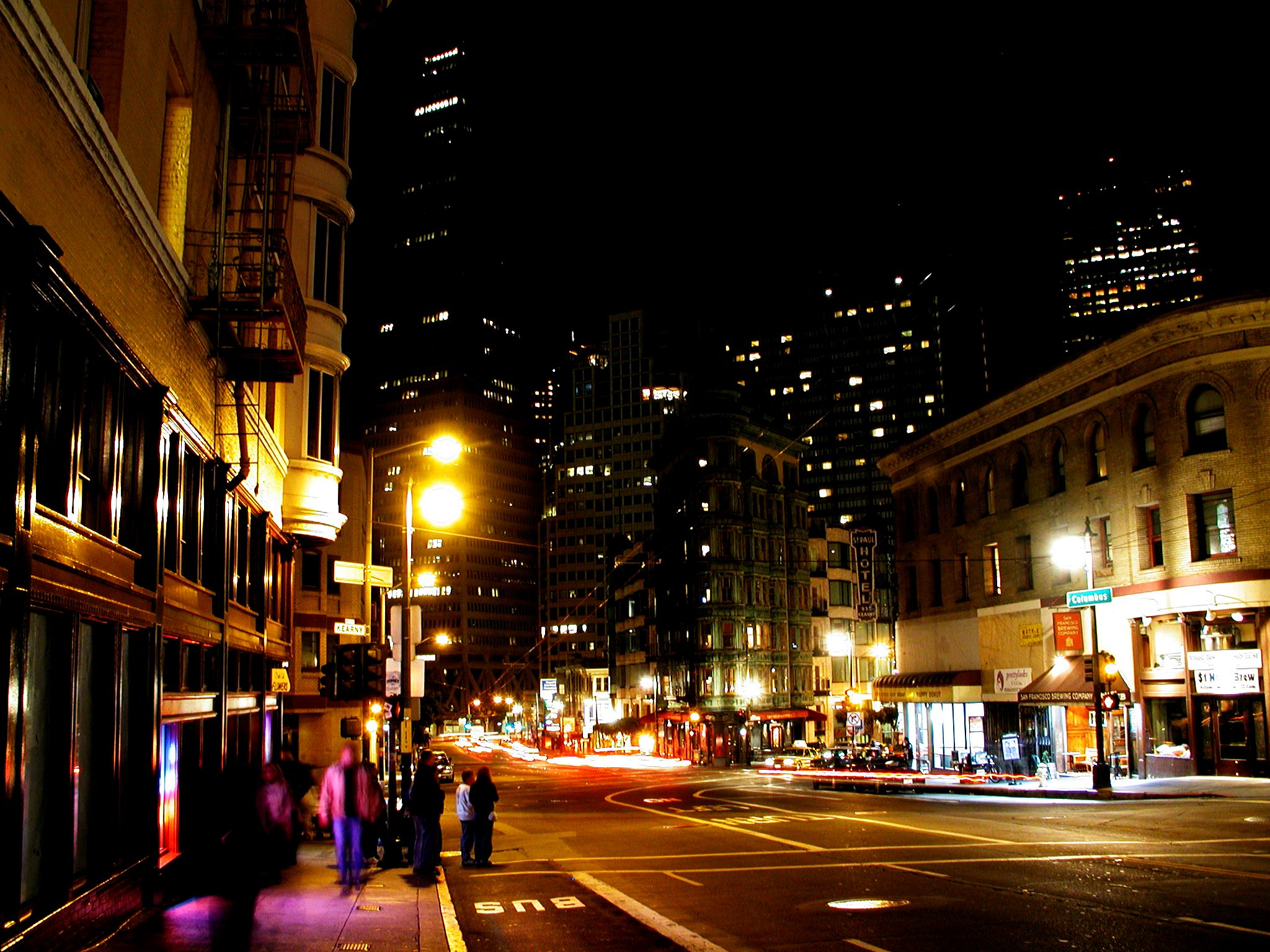
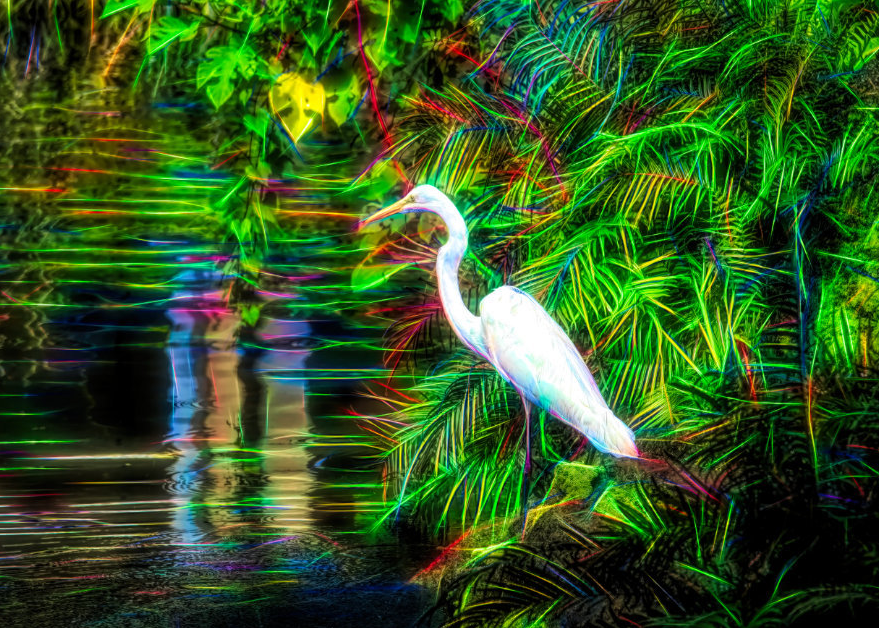

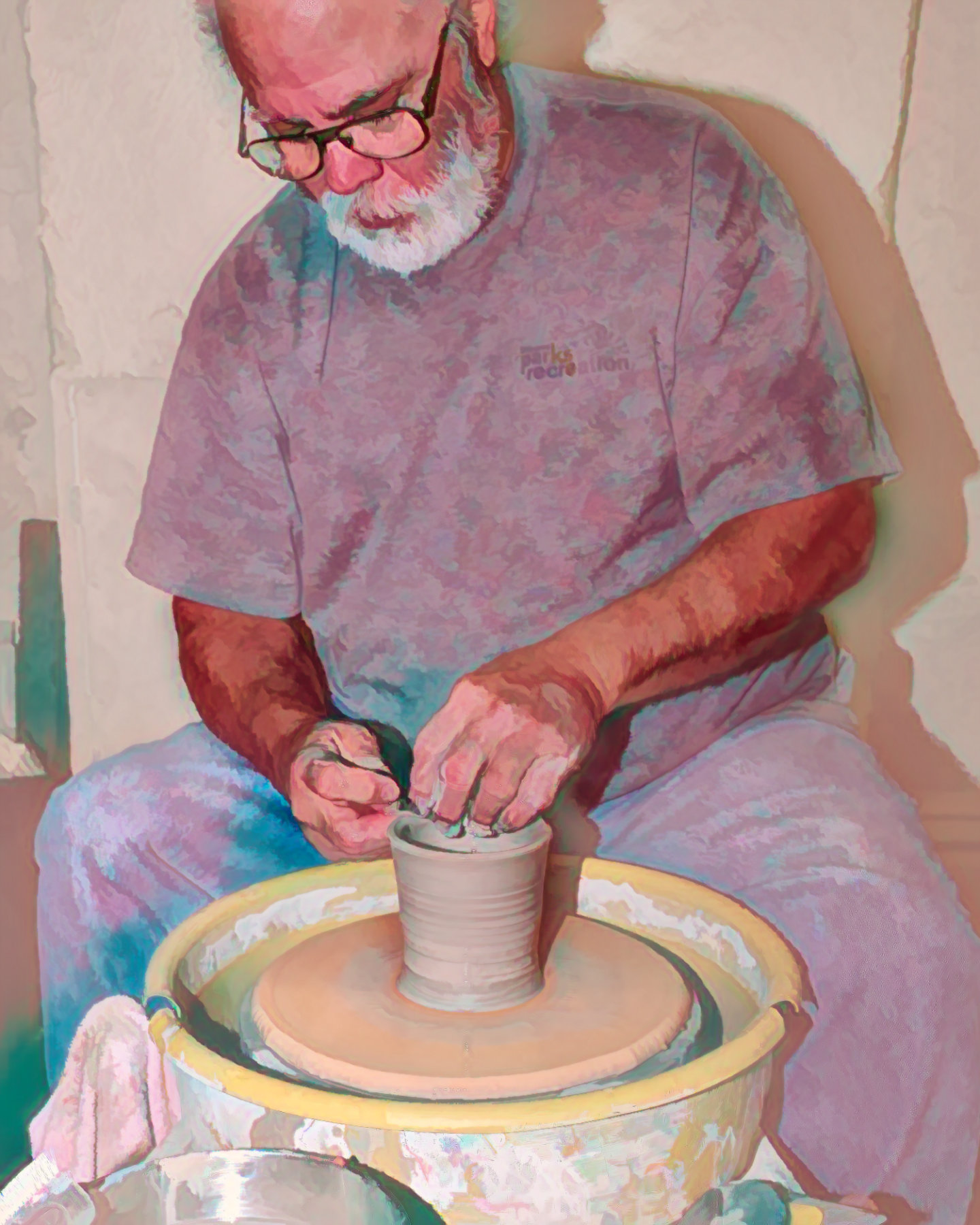
When I release my work into the world, I’m constantly amazed by how differently each viewer interprets and responds to the same image. I’ll create a photograph thinking it conveys one specific message, only to discover through feedback and conversations that recipients see layers of meaning I never intended. This disconnect fascinates me because it reveals how my art becomes a collaborative experience – I provide the visual foundation, but the viewer brings their own experiences, emotions, and cultural background to complete the narrative in their own mind.
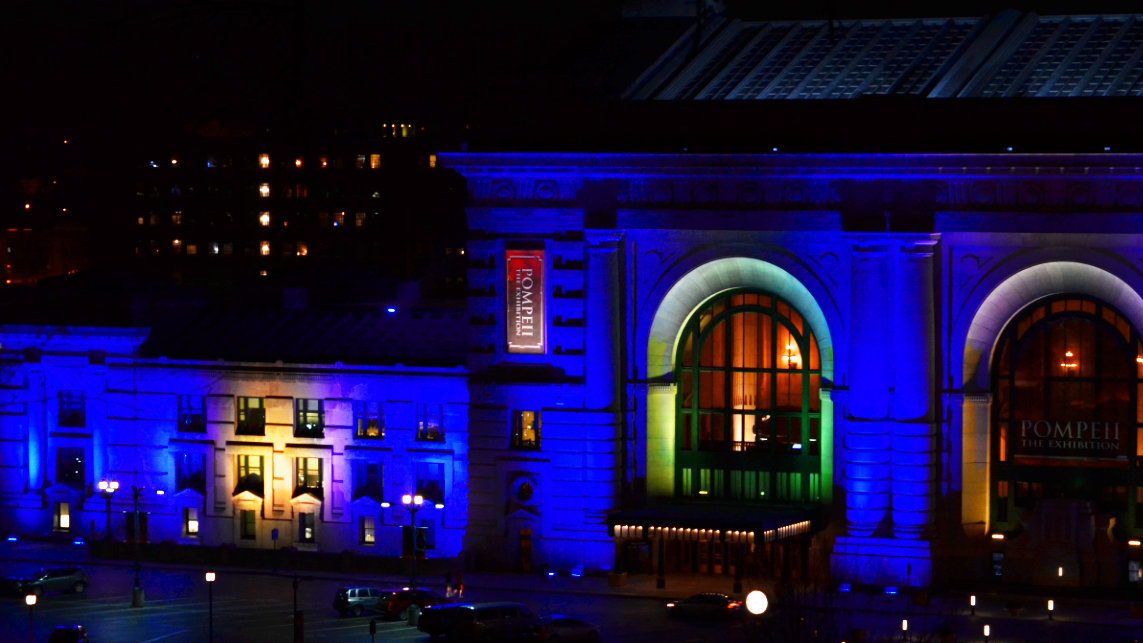
I’ve learned that my graphic designs often serve as catalysts for conversations and decisions I never anticipated. A poster I created for a local event might inspire someone to volunteer for the first time, or an infographic I designed about mental health might give someone the courage to seek therapy. What strikes me is how recipients often take my visual work and extend it beyond its original purpose, using it as a springboard for personal growth or community action that far exceeds my initial intentions.
The most rewarding aspect of my practice is witnessing the delayed impact my work has on people’s lives. Recipients will reach out months or even years later to tell me how a particular image influenced a major life decision or helped them through a difficult period. These responses teach me that as an artist, I’m not just creating visual content – I’m contributing fragments to people’s personal narratives, providing them with visual tools they can return to when they need inspiration, comfort, or courage to see their world from a new angle.
Photography and graphic art represent two fundamental pillars of visual communication, each with distinct approaches to creating meaning and emotion. Photography captures moments in time through the lens, relying on light, composition, and the photographer’s eye to document reality or create artistic interpretations of the world. Meanwhile, graphic art encompasses a broader range of created visuals, from digital illustrations and typography to logos and poster designs, where artists build imagery from imagination rather than capturing existing scenes.
The relationship between these mediums has evolved dramatically with digital technology. Modern photographers often incorporate graphic design elements through post-processing, adding text, manipulative effects, or combining multiple images to create composite works. Similarly, graphic artists frequently use photographic elements as foundations for their designs, blending reality with artistic vision. This convergence has blurred traditional boundaries and opened new creative possibilities for visual storytellers.
Both disciplines share core principles of visual design—balance, contrast, color theory, and composition—yet they serve different purposes in our media-saturated world. Photography often aims to inform, document, or capture authentic moments, while graphic art typically focuses on persuasion, branding, or conceptual communication. Together, they form the visual language of contemporary culture, from social media feeds and advertising campaigns to fine art galleries and documentary journalism, shaping how we perceive and interact with information daily.